United States of America

United States of America
$40.00
44 in stock
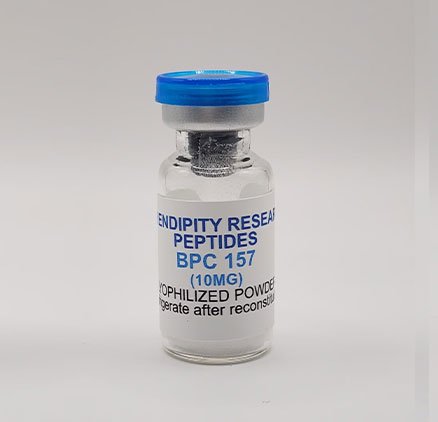
BPC-157, or Body Protection Compound-157, is a synthetic 15-amino-acid peptide derived from a protein in human gastric juice, studied for its potential tissue healing and regenerative properties.
BPC-157 is a synthetic pentadecapeptide composed of 15 amino acids, originally derived from a naturally occurring protective protein in human gastric juice. It was first isolated in the early 1990s by researchers at the University of Zagreb in Croatia to study gut healing, particularly from ulcers and chemical injury, but later research suggested broader tissue repair effects beyond the digestive system, including tendons, ligaments, muscles, and even the nervous system medsbase.com+2.
BPC-157 is believed to promote angiogenesis, the formation of new blood vessels, which supports tissue repair and recovery. It also appears to modulate collagen synthesis, nitric oxide production, and inhibit compounds like 4-hydroxynonenal that slow tissue growth, thereby accelerating wound healing, particularly in soft tissues such as tendons and ligaments Muscle and Brawn. Its stability in gastric juice allows for potential oral administration, although subcutaneous or injectable forms are more common healthletic.io.
BPC-157 is primarily explored for:
BPC-157 is not approved by the FDA, EMA, or any major drug regulatory agency for human use. Most research comes from animal studies, with very limited human data. Health authorities caution against its use due to insufficient safety evidence, and it has been banned by the World Anti-Doping Agency (WADA) for competitive athletes since 2022 Wikipedia+1. Some jurisdictions, such as New Zealand and Australia, have restricted it as a prescription-only substance despite it not being legally available for prescription Wikipedia.
While BPC-157 shows promising regenerative effects in preclinical studies, its long-term safety in humans is unknown, and potential risks, including theoretical cancer promotion due to angiogenesis, require further investigation Wikipedia. Anyone considering its use should consult a healthcare professional and consider the legal and regulatory implications.
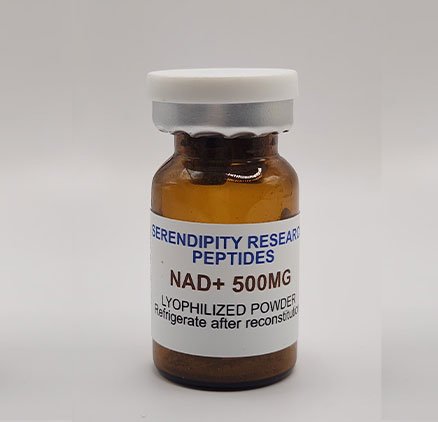
Price range: $50.00 through $100.00
Select options This product has multiple variants. The options may be chosen on the product page© 2026 Serendipity Research Peptides | Design & Developed By : Digital Guider
Serendipity Research Peptides is dedicated to supporting scientific innovation by supplying high-purity, research-grade peptides to the global scientific community.


Reviews
There are no reviews yet.