United States of America

United States of America
Peptide science continues to draw interest across modern research fields. Scientists study short chains of amino acids to better understand their structure, stability, activity, and research value. Klow peptide research is part of this wider interest, with researchers examining peptide behavior through controlled laboratory methods. For research teams, high purity and clear product information help support consistent experimental work.
Peptides have a useful place in laboratory research due to their defined molecular structures and wide range of research applications. Scientists can examine how peptide sequences behave under different laboratory conditions and compare results across carefully designed studies.
Key areas of interest include:
These factors create a strong base for controlled peptide studies. Good research starts with well-characterized materials and clear experimental goals.
Current peptide research covers several technical areas. Researchers can investigate peptide characteristics through analytical, biochemical, and molecular approaches.
Klow peptide studies can focus on peptide characterization, stability testing, formulation research, and structure-related analysis. Each area can help researchers build a clearer picture of how a research peptide behaves under defined laboratory conditions.
Characterization helps establish key details about a peptide sample. Researchers can assess molecular mass, purity, sequence-related properties, and other measurable features. Reliable analytical data supports better comparison between research samples.
Peptide stability remains an important research topic. Laboratory teams can study how storage temperature, moisture, light, solvents, and other conditions influence sample quality. Such work can support better handling and experimental planning.
Small changes in amino acid sequence can alter peptide properties. Researchers can compare related sequences to explore structural differences and their effect on measurable laboratory characteristics.
Reliable research depends on consistent materials. A peptide with strong purity data and clear specifications gives researchers useful information before an experiment begins.
Klow peptide research can benefit from a careful approach to material selection, storage, documentation, and analytical testing. Before starting laboratory work, researchers should review the product specification, stated purity, recommended storage conditions, and available analytical information.
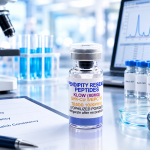
Serendipity Research Peptides supports scientific innovation by supplying high-purity, research-grade peptides to the global scientific community. Its focus on research materials helps laboratories source peptides for controlled scientific investigation.
A clear research plan can help keep experimental work focused. Consider these points before beginning:
Strong planning improves consistency and helps researchers spot changes in results.
Peptide research continues to expand through improved analytical tools and better understanding of molecular structure. Researchers are exploring new ways to characterize peptide materials, study sequence variation, assess stability, and improve experimental consistency.
Klow peptide studies can fit into this broader scientific work when researchers use appropriate laboratory methods and well-defined research questions. Careful analysis remains key to producing useful and reproducible research data.
Good research starts with good materials. Serendipity Research Peptides helps research teams access high-purity peptides for focused laboratory work. Explore the right research material for your next project and build your study on clear specifications, careful handling, and sound scientific methods.

© 2026 Serendipity Research Peptides | Design & Developed By : Digital Guider
Serendipity Research Peptides is dedicated to supporting scientific innovation by supplying high-purity, research-grade peptides to the global scientific community.