United States of America

United States of America
$35.00
24 in stock
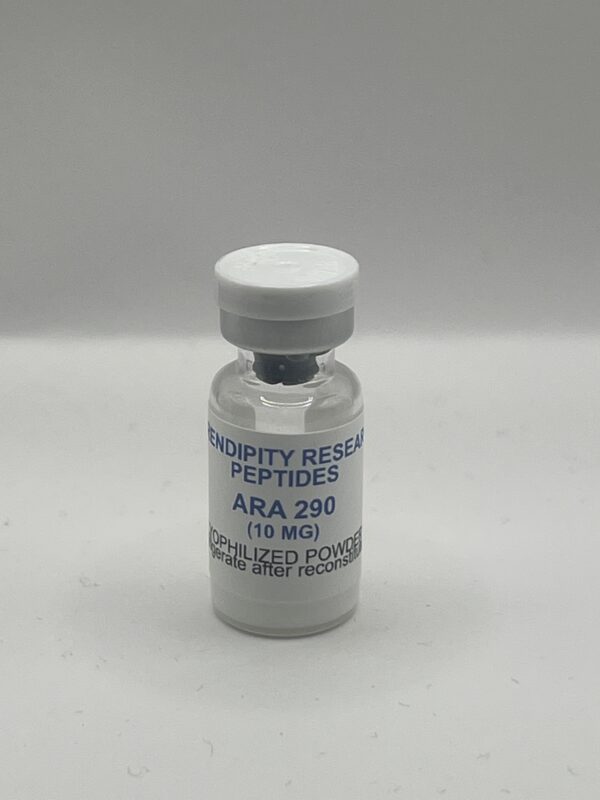
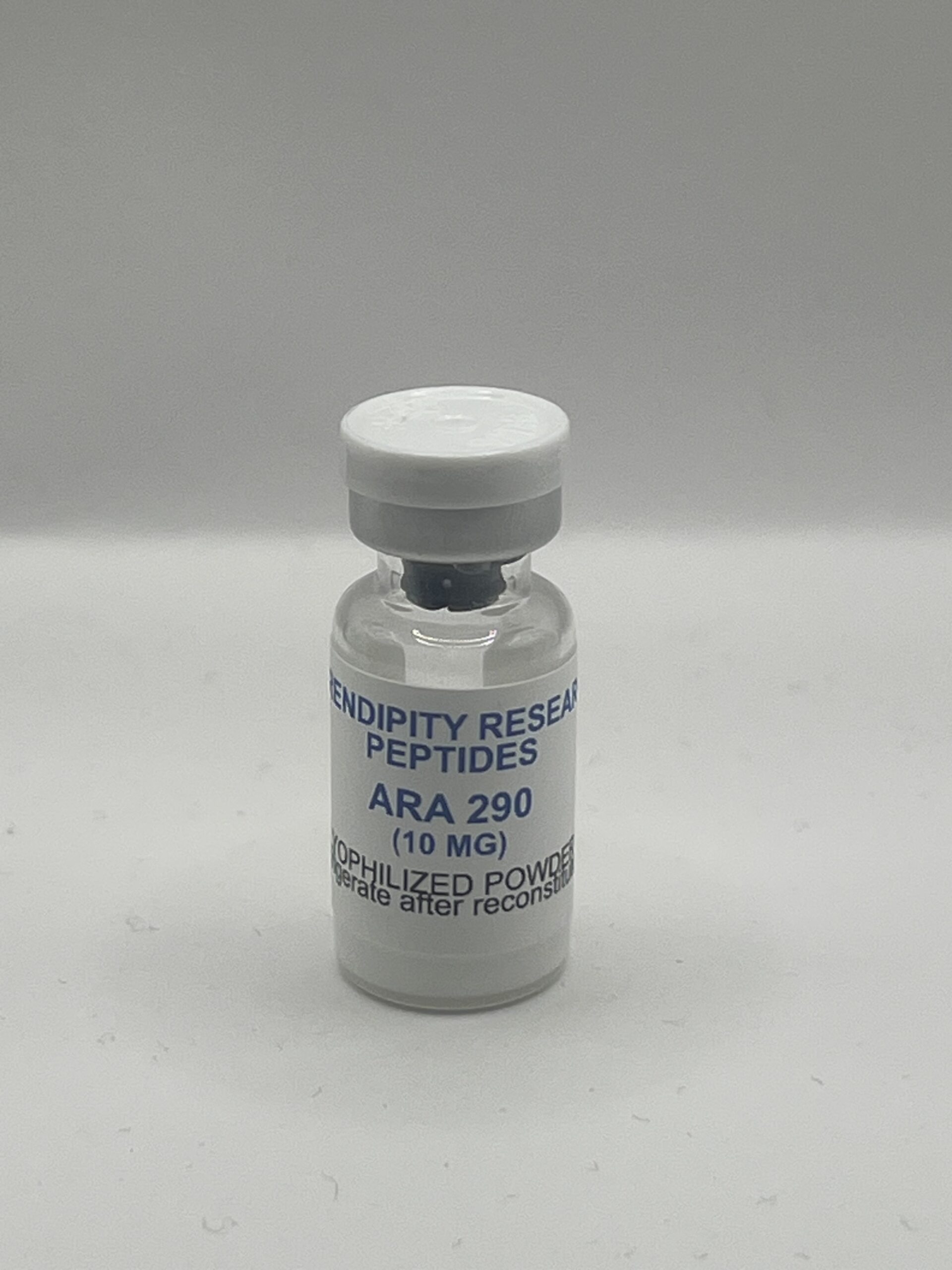
ARA-290 is a synthetic peptide derived from erythropoietin (EPO) that selectively activates the innate repair receptor (IRR) to promote tissue protection, nerve repair, and anti-inflammatory effects without stimulating red blood cell production.
Overview
ARA-290, also known as Cibinetide, is an 11-amino-acid synthetic peptide engineered from the tissue-protective domain of erythropoietin (EPO) to retain its regenerative and anti-inflammatory properties while eliminating erythropoietic activity. Unlike full-length EPO, which stimulates red blood cell production and carries thrombotic risks, ARA-290 selectively binds the Innate Repair Receptor (IRR), a heteromeric complex of CD131 and tissue-protective receptor subunits, triggering protective signaling pathways without affecting hematocrit.
Mechanism of Action
ARA-290 activates the IRR, which initiates anti-inflammatory, anti-apoptotic, and tissue-protective signaling cascades. Key effects include:
Reduced inflammation: Suppresses pro-inflammatory cytokines such as TNF-α and IL-6.
Nerve repair: Enhances small fiber regeneration, improves axonal growth, and alleviates neuropathic pain.
Microvascular and endothelial support: Restores capillary function and endothelial glycocalyx integrity.
Mitochondrial protection: Reduces oxidative stress and supports cell survival.
ARA-290’s selective targeting of the IRR allows it to provide systemic tissue protection without the cardiovascular risks associated with traditional EPO therapy.
Therapeutic Applications
ARA-290 is under investigation for multiple conditions, including:
Peripheral neuropathy (diabetic, sarcoidosis-related, chemotherapy-induced)
Chronic inflammatory and autoimmune conditions
Vascular repair and microangiopathy
Long-COVID–type fatigue
Clinical trials have demonstrated improvements in nerve function, pain reduction, and tissue repair while maintaining an excellent safety profile.
Safety and Clinical Status
ARA-290 has shown high tolerability in clinical studies, with no hematologic side effects or increased red blood cell production. It is currently recognized by the FDA as an orphan drug for sarcoidosis-induced neuropathic pain and remains in Phase II clinical trials for other neuropathic and inflammatory conditions. Its high bioavailability (>85%) via subcutaneous injection and metabolism primarily through the liver make it suitable for therapeutic use under medical supervision.
Comparison to Other Peptides
Compared to peptides like BPC-157, which primarily target local tissue regeneration, ARA-290 works on a broader systemic scale, complementing vascular, immune, and nerve repair processes. This makes it a next-generation anti-inflammatory and regenerative peptide with potential applications in neurology and regenerative medicine.
© 2026 Serendipity Research Peptides | Design & Developed By : Digital Guider
Serendipity Research Peptides is dedicated to supporting scientific innovation by supplying high-purity, research-grade peptides to the global scientific community.



Reviews
There are no reviews yet.