United States of America

United States of America
$46.00
32 in stock
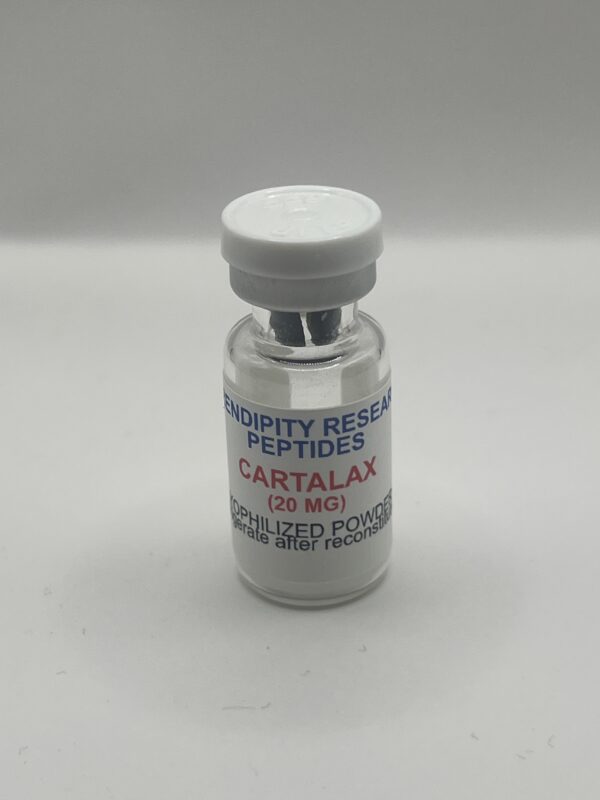
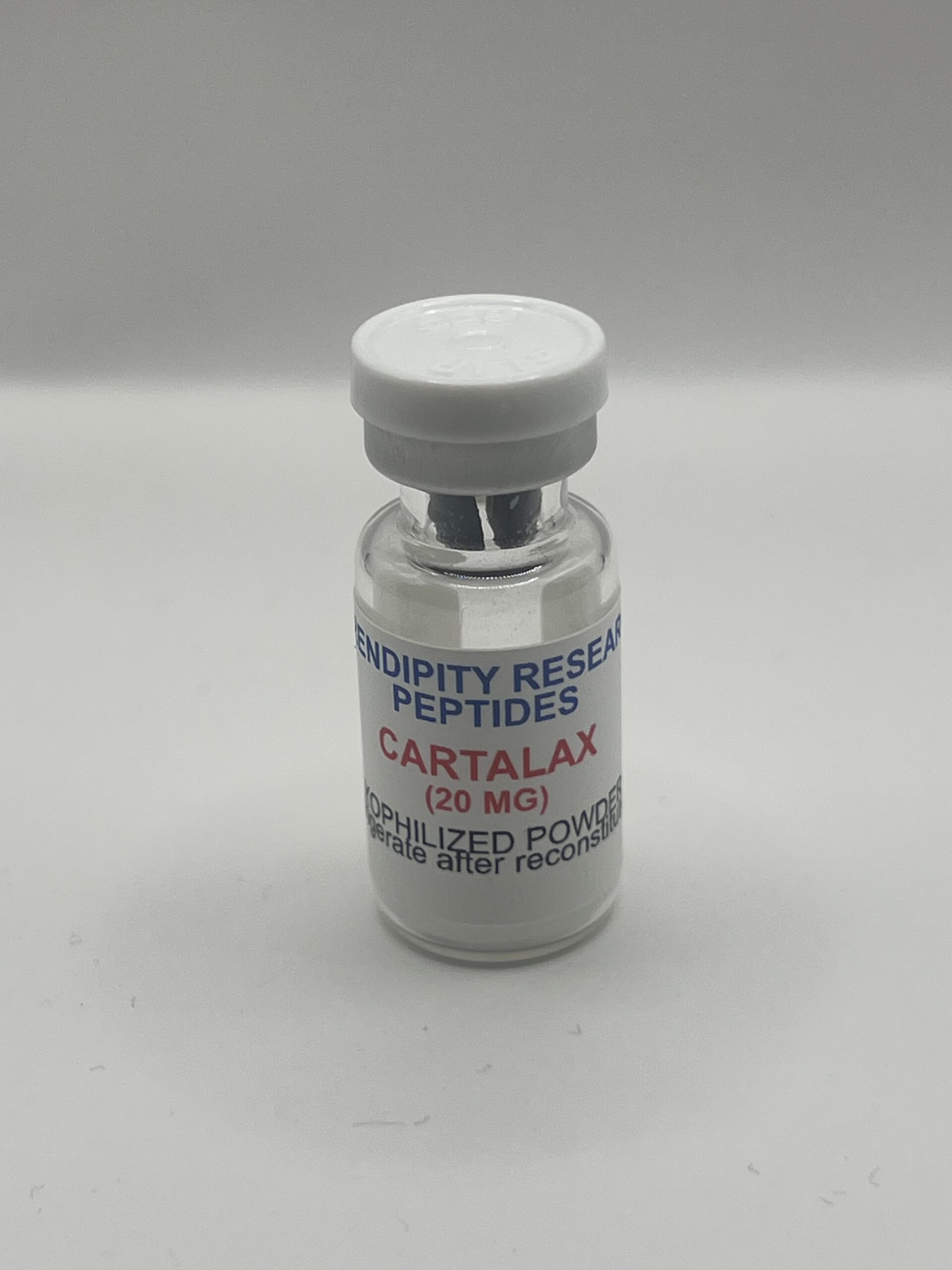
Cartalax is a synthetic, short-chain peptide designed to support cartilage repair, connective tissue health, and cellular regeneration.
Cartalax is a tripeptide composed of alanine, glutamic acid, and aspartic acid (AED), mimicking natural protein fragments found in healthy cartilage and connective tissue. It belongs to the cytomedin family of tissue-specific peptides, developed at the St. Petersburg Institute of Bioregulation and Gerontology for clinical use, anti-aging research, and recovery in military and aging populations. Unlike conventional joint supplements or painkillers, Cartalax works at the cellular and genetic level, regulating gene expression in chondrocytes (cartilage cells) to promote tissue repair and regeneration.
Mechanism of Action
Cartalax operates through epigenetic modulation, enhancing collagen synthesis, reducing inflammation, and improving extracellular matrix integrity. It supports cell-to-cell communication, increases fibroblast proliferation, and may reduce aging markers such as p53 and p16, potentially delaying cellular aging. By targeting cartilage and connective tissue, it helps maintain joint mobility, tissue resilience, and long-term musculoskeletal health.
Uses and Applications
Joint repair and cartilage health: Supports regeneration of cartilage and connective tissue, potentially slowing degeneration.
Anti-aging and recovery: Explored in gerontology and sports medicine for tissue repair and resilience.
Research and experimental use: Primarily used in laboratory studies, in vitro, and animal models to investigate cartilage biology, inflammation pathways, and aging.
Cartalax is available in injectable and oral forms for research purposes, often combined with other peptides like BPC-157 or TB-500 to enhance recovery and healing. It is approved for clinical use in Russia and select Eastern European countries, but in most parts of the world, it remains a research compound not approved by the FDA.
Safety and Limitations
Cartalax is considered safe in short cycles under medical supervision, but there is no established clinical safety profile outside research settings. Its use is primarily educational and experimental, and it should not be considered a substitute for approved medical treatments.
In summary, Cartalax is a research-stage peptide bioregulator targeting cartilage and connective tissue, with potential applications in joint repair, anti-aging, and tissue regeneration, though its use is largely limited to laboratory and controlled clinical settings.
© 2026 Serendipity Research Peptides | Design & Developed By : Digital Guider
Serendipity Research Peptides is dedicated to supporting scientific innovation by supplying high-purity, research-grade peptides to the global scientific community.




Reviews
There are no reviews yet.